
An Overview of Their Unique Characteristics
When it comes to painting, understanding the differences between interior and exterior applications is crucial for achieving the best results. Each type of painting involves unique considerations that can impact both the appearance and durability of the final outcome. By exploring these distinctions, you can make informed decisions tailored to your specific needs. In this guide, we break down the essential differences in materials, techniques, and environmental factors that influence both interior and exterior painting projects.
The Role of Environment
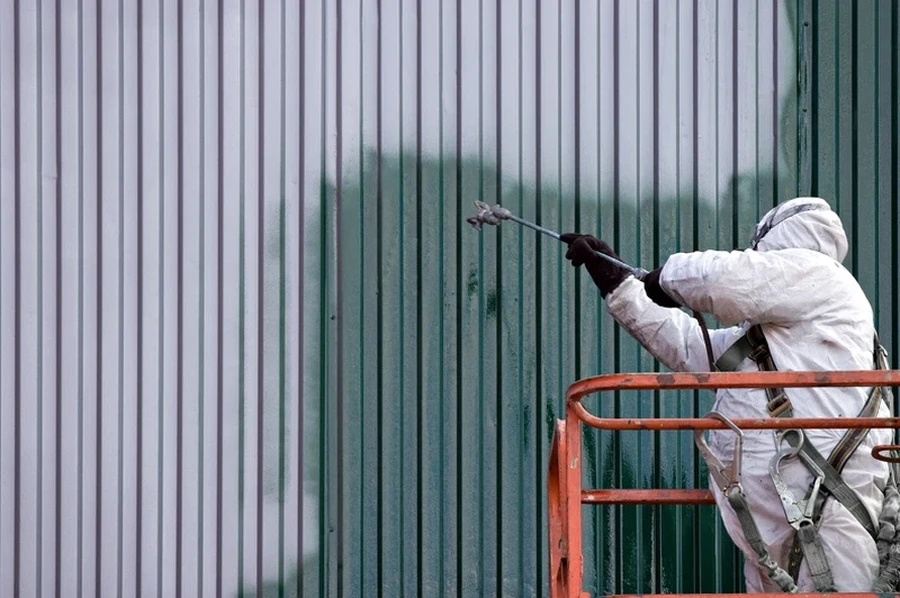
Interior painting focuses on creating a pleasing atmosphere inside your home or office. It often involves colors that complement furniture and decor, as well as finishes suited to your lifestyle. On the other hand, exterior painting must withstand weather conditions like rain, wind, and sunlight. This requires special paints designed for durability and protection against the elements.
Materials Used in Painting
One key difference lies in the types of paint used. For example, interior paints are typically formulated with fewer volatile organic compounds (VOCs) to ensure indoor air quality. These paints offer a wide range of finishes from matte to high gloss. In contrast, Exterior Painting requires more robust formulations with added resins and pigments. These elements help the paint endure harsh outdoor conditions while maintaining color vibrancy over time.
Application Techniques
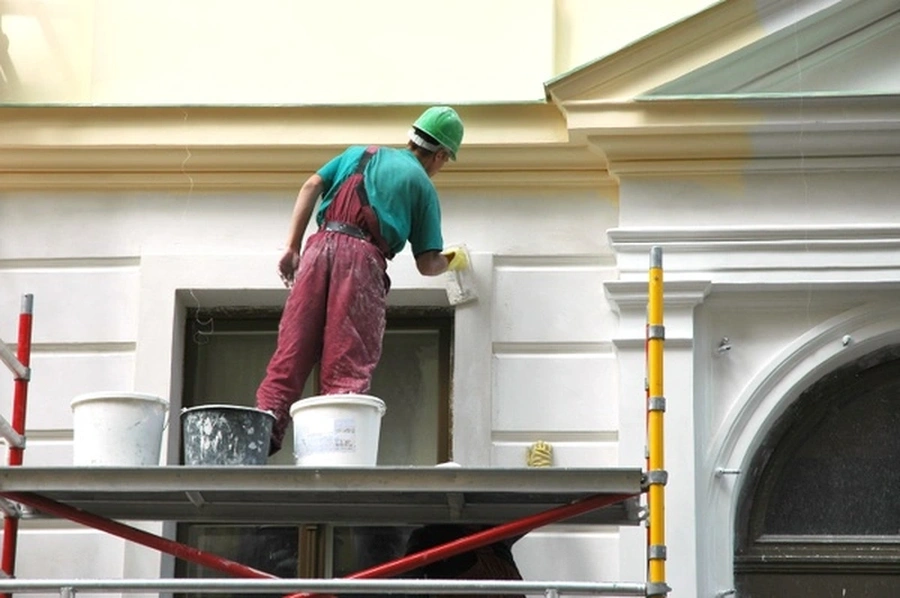
Applying paint indoors tends to be more straightforward due to controlled conditions like temperature and humidity. You can take your time to apply multiple coats without worrying about drying issues. However, when performing an exterior painting project, timing becomes crucial. Weather changes can affect how paint adheres and dries, necessitating careful planning and scheduling.
Considerations for Surface Types
Interior surfaces can vary widely, ranging from drywall to wood paneling. Each surface may require different preparation methods, such as sanding or priming. Similarly, exterior painting involves diverse surfaces like brick, stucco, or vinyl siding. Proper surface preparation is vital for both types to ensure long-lasting adherence and prevent peeling or cracking.
Impact of Finish Choices
The finish you choose plays a significant role in both aesthetics and maintenance. While interior finishes allow for personal expression-whether through bold accent walls or subtle hues-the focus is often on practicality outdoors. Exterior finishes need to resist dirt and mildew while providing UV protection. Choosing a high-quality finish will enhance longevity and visual appeal in any setting.
Cost Implications
Budgeting for a painting project involves several factors including materials, labor, and preparation work. Generally speaking, exterior jobs tend to be more costly due to the size and complexity involved. The need for specialized equipment like ladders or scaffolding also adds to expenses. However, investing wisely in quality products for both interior and exterior projects ensures lasting satisfaction and value.
Expert Recommendations With Your Needs in Mind
To achieve the best results in any painting endeavor, consider consulting professionals who understand the nuances between these two types of projects. Their expertise can guide you in selecting appropriate materials and techniques tailored specifically for your goals. Whether refreshing an interior space or tackling an exterior update, following industry standards and best practices will ultimately save time and resources.
Choose the Right Path for Your Project
Whether you’re sprucing up your home’s interior or maintaining its curb appeal outside, making informed choices is key to success. Located in Clemmons, NC, we provide expert advice tailored to your specific situation. Call (336) 934-6147 to learn more about how A & J Paint Services Corp can transform your space with precision and care.